
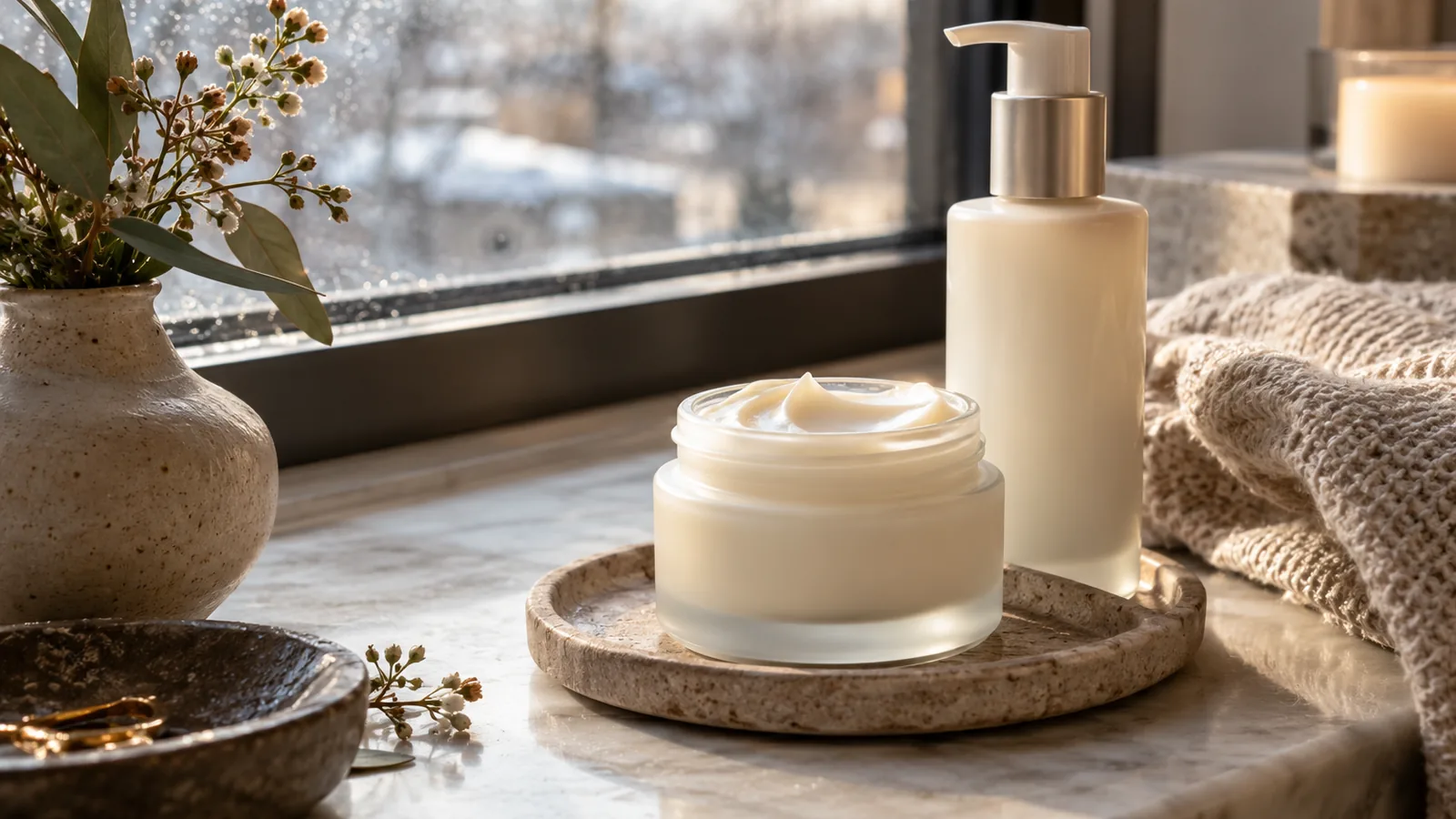
Choose moisturizer by climate, room, and season can look simple from the outside, yet the small practical details decide whether it earns a place. Why the same face can prefer a gel in humid weather and a cream beside winter heating.
Think of the purchase as part of a system rather than a stand-alone object. Consider skin comfort, routine compatibility, climate, and the time available at the sink, then decide which feature genuinely solves the repeated problem.
The real-life scene
A lightweight lotion works through a humid summer commute, while a richer cream returns when indoor heating starts and cheeks feel less comfortable. Neither product is declared universally better; each fits a different environment.
Why it works
Temperature, humidity, cleansing, and other products affect how much support feels comfortable. A flexible wardrobe of one light and one richer texture can be more practical than searching for one permanent answer.
What to check before buying
Notice the finish after thirty minutes
Immediate slip can disappear; judge whether skin remains comfortable after the product settles.
Check compatibility
Layer samples with sunscreen or makeup to see whether they pill.
Read the jar symbol
Choose a size you can reasonably finish within the recommended period after opening.
The Dreszine edit
- Light texture for warm humid days
- Richer texture for dry conditions
- Sunscreen for daytime
- One backup, not a crowded shelf
One thing to skip
Avoid changing several routine steps when the weather shifts. Adjust one texture first so you can understand the result.
Continue the edit
Browse with the checklist in mind
Use the fit and function notes above while comparing current options. Availability and pricing can change.
Explore at Sephora ↗The lasting idea
Treat moisturizer like clothing for the environment. Choose the weight that feels right today and allow the answer to change.